
Casinos That Accept Visa in the UK: Payment Guide
 Available in GB
Visa availability depends on the casino cashier and the specific card, while deposits, withdrawals and bonus terms can affect how you use it.

Table of Contents
- How Visa Fits into a Casino’s Payment Options
- Making a Visa Deposit: Limits, Currency and Account Details
- Why Visa May Appear in the Cashier but Not Be Available to You
- Visa Debit Cards, Credit Cards and Casino Payments
- Using Visa for Online Slots: The Practical Limits
- When Another Payment Method May Be More Suitable
- Checking Visa Acceptance Before You Open an Account
- Visa Withdrawals: Why Payouts Can Take Longer
- Bonuses and Deposits: Check the Payment Terms First
- Visa and GamStop: A Payment Method Is Not a Safeguard
How Visa Fits into a Casino’s Payment Options
Visa is a familiar way to pay, and UK casinos commonly accept debit cards carrying the Visa or Mastercard logo. That makes a Visa debit card a reasonable option to look for when you review a casino’s payment choices. It does not, however, mean that every casino accepts every Visa card, or that a card accepted by one site will work at another.
A payment method is part of the casino’s cashier: the area of your account where you can see available ways to add funds. The cashier is more useful than a general claim that a site accepts Visa because it reflects the options the site presents to you. A specialist review may list Visa and Mastercard among the methods offered, but that information should be treated as a pointer, not confirmation that your particular card product is eligible. Check the cashier before relying on it.
The distinction between the Visa brand and the card itself matters. Visa is the payment network; your card is issued by a bank or other financial provider and may be a debit or credit product. The logo alone does not tell you which kind of card you hold, nor does it establish that the casino can accept it. For a casino deposit, the relevant question is whether the site accepts your eligible debit card—not simply whether Visa appears on the front.
If you’re looking for a casino that accepts Visa in the UK, check each operator’s available payment methods before depositing. The payout details below offer one point to consider when reviewing your options.
Payout speed: 1-3 business days EvoSpin has a stated payout speed of 1–3 business days, which you can consider when reviewing its payment terms.
Payout speed: 1-3 business days Amunbet lists a payout speed of 1–3 business days. Check its payment terms to confirm whether Visa is available to you.
Payout speed: 1-3 business days Jetsetspins has a stated payout speed of 1–3 business days, giving you one detail to weigh when checking its payment options.
Payout speed: 1-3 business days Britsino lists payouts as taking 1–3 business days. You’ll need to check directly whether it accepts Visa.
Payout speed: 1-3 business days NightWin’s stated payout speed is 1–3 business days. Review its payment terms to see whether Visa suits your needs.
Payout speed: 1-3 business days WinBeast has a stated payout speed of 1–3 business days. You can use this as a reference when checking its payment details.
Payout speed: 1-3 business days BeOnBet lists a payout speed of 1–3 business days. Confirm its current payment methods if you’re specifically looking to use Visa.
Payout speed: 1-3 business days SlotoSport’s stated payout speed is 1–3 business days. Check its payment terms for details about Visa availability.
Payout speed: 1-3 business days SpinFormula has a stated payout speed of 1–3 business days, a detail you can factor into your review of its payment options.
Payout speed: 1-3 business days x3bet lists payouts as taking 1–3 business days. Check directly whether Visa is among its available payment methods.
There is also an important legal boundary. UK-licensed casinos cannot accept credit-card payments for gambling. The regulator introduced the ban on 14 April 2020, and it has not been relaxed. This rule applies to gambling payments, so a credit card does not become suitable because it carries the Visa name or because a payment is routed through an intermediary. Debit-card use and credit-card gambling are not interchangeable.
That distinction is one reason to read payment information carefully. A casino may describe its card options broadly, while your own card account may have a different product type or restrictions. If you are unsure whether the card is debit or credit, check with the issuer rather than assuming from the logo or the way the card is used for ordinary shopping. If it is a credit card, do not use it to fund gambling at a UK-licensed casino.
Visa is only one part of a casino’s payment menu. A site may offer other methods as well, and the selection can differ between operators. Seeing Visa mentioned on a general payments page does not establish that it is currently available to every customer. The cashier is where you should confirm what the casino presents for your account before attempting a payment.


The same caution applies to the phrase “Visa casino”. It can describe a site that lists Visa as a payment option, but it is not a guarantee about the card you hold, the site’s current cashier or the type of transaction you intend to make. Nor does Visa acceptance, by itself, tell you anything about the casino’s wider terms. Treat the payment logo as one detail to verify, not as a shortcut to deciding whether an account or a site is suitable.
If Visa is shown as an option, that is a useful starting point: UK casinos commonly accept debit cards, and Visa is among the card brands they may support. But a brand-level listing cannot settle individual eligibility. Confirm the exact method in the cashier, and make sure you are using a debit card rather than a credit card. These are separate checks, and neither can be replaced by the presence of a Visa logo.
Making a Visa Deposit: Limits, Currency and Account Details
Before entering a Visa deposit, check the casino’s cashier rather than relying on an older payment page or a general description of its services. The cashier shows the options currently presented for your account and lets you see the amount fields and any stated deposit conditions before you confirm a transaction. If Visa is not shown there, do not assume that a logo elsewhere means you can use it.
Check the minimum and maximum deposit limits in the cashier, as these figures may vary by payment method and differ from general guides.
Look at the minimum deposit as well as the maximum. The minimum is not necessarily the same for every payment method, and a figure shown in a general guide may not match the current cashier. One specialist review puts the minimum deposit range at £10–£20, varying by method; treat that as an indication to check, not as a promise about a particular casino. The amount displayed for your account is the useful one.
Maximums can also be set at different levels. A casino may state a cap for one transaction and separate daily or monthly limits. Those limits can vary with the payment method and your account status, so a successful deposit in the past does not establish what you can deposit now. Read the on-screen conditions before choosing an amount, especially if you are making a larger deposit or have recently changed account details.
Confirm the currency before paying
Check the currency assigned to your casino account before you make the first transaction. A specialist review reports that GBP is supported on the pages it examined, but that does not confirm the currency setting on every account or site. If your account is not set to pounds, a deposit may involve conversion. Confirm the displayed currency and the amount you are authorising rather than assuming that a UK-facing site will automatically process everything in GBP.


Currency matters because the figure entered at the cashier and the amount ultimately debited from your bank account may not be expressed in the same unit. If conversion applies, check the information shown before approval and consider whether you are comfortable with the resulting amount. Do not proceed while the transaction summary is unclear. A moment spent checking the currency is more useful than trying to reconstruct the charge afterwards.
Keep the account details consistent
Use casino account information and a payment route that are yours. When the customer details on the account and the cardholder details match, there is less scope for basic ownership differences to hold up a transaction. Enter your details carefully, following the formats requested in the account and cashier forms. A minor mismatch in a name or other identifying information can create an avoidable query, even when you intended to make a straightforward deposit.
Before submitting, check the amount, currency and payment details together. Make sure the card information has been entered into the correct fields and that the transaction summary reflects the deposit you mean to make. If a field is unclear or the amount changes unexpectedly, stop and review the cashier instructions rather than repeatedly resubmitting the payment.
Your casino account also has financial-limit controls. UK Gambling Commission rules require remote gambling licensees to prompt new customers to set a financial limit before their first deposit and to provide accessible controls for managing account limits. This is separate from the cashier’s payment-specific minimum and maximum: the cashier governs what a particular transaction can accept, while an account limit is a control you can set for your gambling spend. Take time to understand both before funding the account.
Deposit Verification
- Confirm Visa is available in the live cashier
- Verify the deposit amount is within permitted limits
- Check that the account currency is correct
- Ensure cardholder details match the casino account
A deposit can therefore depend on several details aligning: the method shown in the live cashier, the amount permitted for that method and account, the currency in which the account operates, and accurate customer information. None of these is best inferred from a general claim that a casino accepts Visa. Review the live terms and transaction screen, then decide whether the amount and currency are clear and within the limits you intend to use.
Why Visa May Appear in the Cashier but Not Be Available to You
A casino’s payment information may name Visa, yet that does not guarantee that every customer can use every Visa card there. A payment-method listing identifies a brand the site may support; it does not confirm that the cashier will offer it for your account or that your particular card product is eligible.
Some specialist casino reviews list Visa and Mastercard among the payment methods associated with sites. Treat that as a starting point, not confirmation of current availability. Payment options can change, and a general description cannot establish what the live cashier will accept when you are ready to deposit.
The cashier is the practical check. Sign in, open the deposit page and look for Visa among the methods currently presented to you. If it appears, read any instructions shown there before continuing. If it does not, do not assume that a card-brand mention elsewhere means the transaction will work. The cashier reflects the options available to you at that point; a review or general payments page may not.


Even when Visa is displayed, eligibility can depend on the specific card product. A Visa logo alone does not tell you whether that card will be accepted by the site’s payment process. If you are uncertain, check the cashier’s guidance or contact the casino’s support team before attempting a payment. That can help distinguish a temporary availability issue from a card that the site does not accept.
There is a difference between asking whether a casino supports Visa in general and whether you can use your own Visa card there. The first may be answered by a site’s payment information. The second needs a current check against the options and instructions shown to you. No broad list of Visa casinos can reliably settle that for every customer.
Do not keep retrying a transaction simply because Visa is named on a page. If the payment option is absent or the cashier indicates that the card cannot be used, repeated attempts are unlikely to clarify eligibility. Check the site’s current instructions, and ask support if the wording is unclear. This is a compatibility question, not a reason to assume that a displayed brand guarantees acceptance.
If your aim is to deposit with Visa, confirm availability before entering payment details or starting a transaction. The relevant answer is the one shown in the live cashier for your account and card—not the logo in a general list.
Visa Debit Cards, Credit Cards and Casino Payments
For gambling at a UK-licensed casino, the relevant distinction is whether your Visa card is a debit card or a credit card. A Visa debit card draws on money held in your bank account; a Visa credit card lets you borrow from the card issuer. The Visa logo identifies the payment network, not the source of the funds, so it does not by itself establish that a card can be used for a casino payment.
Credit Card Ban
UK-licensed casinos are prohibited from accepting credit-card payments for gambling. This ban applies even if the payment is routed through an intermediary.
UK-licensed casinos may accept Visa debit cards, but the card must be eligible for that transaction and the casino must offer it through its cashier. A specialist review may list Visa among a casino’s payment options, but that is not confirmation that every Visa product is accepted. Check the cashier’s current information and the card type before trying to pay.
Credit-card payments for gambling are prohibited at UK-licensed casinos. The regulator introduced the ban on 14 April 2020, and it remains in force. It applies to gambling payments made with credit cards, including payments routed through a money service business. A casino cannot make a credit-card payment acceptable simply by processing it through another payment route.
This means that a credit card carrying the Visa mark is not an alternative to a Visa debit card for funding casino play. If your card combines features or you are unsure which type it is, check with your card issuer rather than relying on the logo or the way the card is displayed in a mobile wallet. The rules concern the underlying source of the funds, not only the label shown at checkout.
A casino’s payment page can also use broad brand names that do not describe every card product. Visa may appear alongside Mastercard, for instance, without that listing being a promise that all cards on either network will work. Current UK availability and eligibility for a particular card need to be checked in the cashier. If the payment option is absent or the card is declined, do not assume that changing the payment route makes a credit card permissible.


The practical point is simple: look for a debit card linked to your own account, and distinguish it from any credit facility attached to a card with the same brand. Where a payment service or wallet is involved, the restriction still matters if credit-card funds can be used for gambling. UK rules prevent remote gambling operators from accepting those credit-funded payments through an intermediary.
A Visa debit card can therefore be a valid way to pay at a UK-licensed casino, while a Visa credit card cannot be used for gambling there. The card network alone does not settle the question. The card’s funding type and the cashier’s current eligibility information do.
Using Visa for Online Slots: The Practical Limits
Paying by Visa does not change how online slots may operate in Britain. A card can provide a way to fund a gambling account, but it does not make a game exempt from the rules that apply to remote gambling. Those rules govern the slot itself, including how quickly it can be played and the maximum stake for each game cycle.
Autoplay is banned for online slots in Britain. You must start each spin yourself; a casino cannot offer a setting that starts successive spins automatically. Each spin must also last at least 2.5 seconds. That minimum duration applies regardless of whether you are playing on a phone, tablet or computer, or whether the account was funded with Visa or another permitted method.
Do
- Start each spin manually
- Ensure each spin lasts at least 2.5 seconds
- Adhere to the £5 stake limit (for adults 25+)
Don’t
- Use autoplay settings for slots
- Exceed the £2 stake limit (for ages 18-24)
- Assume payment methods change game rules
There is also a maximum stake per game cycle. For customers aged 25 and over, the limit is £5; for those aged 18 to 24, it is £2. The £5 limit for all adults aged 25 and over took effect on 9 April 2025. These are limits on the stake for a slot game cycle, not on the amount you can deposit or the balance you can hold. A casino’s payment options do not alter them.
Age and account controls matter before you reach the game. Online gambling in the UK is for people aged 18 and over, and operators must verify a customer’s age before allowing a deposit. Remote gambling operators must also prompt new customers to set a financial limit before their first deposit and make account-level limit controls accessible. These safeguards apply to the gambling account, not just to a particular payment card.
If you are looking for a site where you can use Visa and play slots, treat those as separate checks. The payment method tells you nothing about whether a particular game is available, and a slot’s appearance in a game lobby does not establish that the cashier will accept your card. Check the site’s current information for the specific points you need, rather than assuming that a Visa logo settles every question.
The rules are not a feature that a casino can switch off for a particular game or payment route. A slot funded by card remains subject to the same autoplay ban, minimum spin duration and stake ceiling as one funded another way. That is the practical limit of Visa’s role here: it concerns payment, while the protections and restrictions govern play.


When comparing slot sites, keep the distinction clear. A payment method is not a rating of the games, a promise about mobile performance or evidence that a promotion applies. Nor does a quick deposit change the pace at which a slot may run. The relevant rules follow the game and the operator’s obligations, not the logo on the card.
When Another Payment Method May Be More Suitable
Visa is not the only way to fund an online casino account. The useful comparison is not simply which method sounds quickest: it is whether you can use it for the transaction you need, whether it fits your plans for any promotion, and what happens when you later want to move money out.
PayPal may appeal if you value a familiar payment service. One specialist review describes it as popular for speed and convenience, but that does not settle whether a particular casino accepts it or whether a PayPal deposit qualifies for a bonus. Check the cashier and the promotion terms before choosing it; payment availability and bonus eligibility are separate questions.
Open banking and bank transfers can be another option. A specialist review reports that these methods can provide instant deposits and fast withdrawals at many sites. That is not a guarantee for every casino or transaction, so check the payment information shown by the operator. A bank transfer can also involve a different process from paying through a service that links to your bank.
Popular for speed and convenience, though bonus eligibility should be checked in the promotion terms.
Often provide instant deposits and fast withdrawals at many sites.
Suitable for deposits only; another route is required to receive withdrawals.
Available at some sites, but are frequently excluded from casino promotions.
Prepaid vouchers suit a narrower purpose. Paysafecard is deposit-only, so it may work if you want to pay in advance but is not a route for receiving a withdrawal. If you choose it, consider how you would access any funds you later want to take out; another payment route may be needed, with possible additional checks.
Skrill and Neteller are e-wallet alternatives available at some sites. A specialist review says they are often excluded from promotions, so they may be less suitable when a bonus is part of your decision. Do not assume that an e-wallet’s availability in the cashier means it qualifies: the promotion’s own terms determine that.
The broad trade-off is between a method that can serve more than one stage of a transaction and one with a narrower role. Open banking and bank transfers are described by a specialist review as supporting both deposits and withdrawals at many sites, while Paysafecard is limited to deposits. E-wallets may be accepted at some casinos, but promotion rules can affect their appeal. These distinctions matter more than treating every alternative as interchangeable.
Before switching from Visa, compare the options displayed by the casino for your account and read the relevant terms. If you expect to use a promotion, check eligibility before depositing. If you want a method that can also receive funds, confirm that the casino supports withdrawals through it rather than inferring this from its presence as a deposit option. The suitable alternative is the one that fits the transaction you intend to make, not necessarily the one with the most familiar name.


Checking Visa Acceptance Before You Open an Account
A payment-method logo on a casino’s information page is a useful first clue, not confirmation that your card will work. A specialist review may list Visa and Mastercard among the methods it has found, but payment options can change, and a brand listing does not establish that every Visa product is eligible. Before opening an account, check the casino’s own payment information and, where possible, its cashier.
Look for Visa in the deposit options shown for customers in the UK. If the site requires an account before displaying its cashier, read the payment terms first and avoid depositing just to test whether your card is accepted. The cashier is the place to confirm current availability: a general payment page or an older review may not reflect what is offered to you now.
Check that the option is specifically relevant to your card. A Visa logo alone does not tell you whether the cashier supports your particular card product. If the page is unclear, contact customer support before registering or attempting a payment. Ask whether your card type is eligible for a deposit from the UK, and keep the reply for reference. That gives you a clearer answer than repeatedly submitting a transaction and trying to interpret a generic error message.
Checking Acceptance
Consult the casino’s payment page to see if Visa is listed for UK customers.
Sign in and check the live deposit options to confirm the method is currently available for your account.
Contact the customer team to confirm if your specific card product is eligible for deposits.
Check the UK Gambling Commission public register to ensure the operator holds a valid licence.
You can also check whether the payment page clearly explains how to select Visa and what information you will need. The details should be presented consistently with the account information you provide. Do not enter another person’s card or use someone else’s account details as a workaround. When the account and payment route belong to the same customer, basic ownership checks are less likely to create avoidable transaction friction.
Before you make a decision, confirm that the site is legally able to serve customers in Great Britain. Remote gambling licensees serving the British market must hold the relevant UK Gambling Commission licence; you can check the licence number against the Commission’s public register. This is separate from checking whether Visa appears in the cashier: a payment logo does not establish that a casino is licensed.
A practical check is therefore straightforward: consult the site’s current payment information, confirm Visa in the UK cashier, ask support about your particular card if eligibility is not explicit, and make sure the payment details are yours. If any of those points remain unclear, wait for a definite answer rather than treating a logo as proof of acceptance.
Visa Withdrawals: Why Payouts Can Take Longer
A Visa deposit may appear in your casino balance quickly, but that does not mean a withdrawal to Visa will move at the same speed. Deposits and payouts follow different processes: a withdrawal can require the casino to review the request before releasing funds, followed by processing through the payment route.

UK anti-money laundering rules generally require casinos to return funds to the original payment source. This is part of the closed-loop approach: if you deposited using a Visa card, the casino may direct the payout back to that source rather than let you choose an unrelated destination. The cashier’s withdrawal options and the casino’s terms explain how that applies to your account.
The casino’s own approval stage can add time. Specialist casino payment guides report that first withdrawals may take longer while the operator completes verification. KYC checks can involve confirming your identity and checking account details; if information or documents are outstanding, the casino may be unable to approve the payout yet. Once approved, the time taken by the payment provider or bank is a separate part of the process.
So a Visa casino withdrawal time is not simply a measure of how quickly the card handled your deposit. A fast deposit does not establish that Visa withdrawals are instant, or that every card account can receive funds in the same way. Check the cashier’s current withdrawal instructions and ask the operator how it handles a payout if your card has expired or been replaced. Do not assume you can substitute another account without approval; alternative routes may prompt further checks.
A specialist review describes PayPal, open banking services and debit cards connected to fast-payout systems as among the quicker withdrawal routes, but this is not a promise about a particular casino or transaction. Speed still depends on the operator’s processing and whether your account is verified.
Attention: A fast deposit does not guarantee a fast withdrawal; payouts may be delayed by casino approval stages and KYC verification checks.
If a payout is delayed, check whether the request is still awaiting casino approval, whether KYC is complete, and whether the payment details match the original source. For a casino serving British customers, verify that it holds a current UK Gambling Commission operating licence; Visa acceptance alone says nothing about licensing. A payment logo is not a payout timetable.
Bonuses and Deposits: Check the Payment Terms First
A casino may accept Visa debit for deposits without making every promotion available to customers who pay that way. Payment acceptance and bonus eligibility are separate decisions: the cashier can let you deposit, while the offer’s terms exclude the method or set other conditions.
Before paying, open the promotion’s full terms and look for the eligible deposit methods, any excluded payment types and the steps required to claim the offer. Check whether the promotion applies automatically or must be activated, and whether your particular deposit method qualifies. Do not assume that a Visa logo on the cashier means a Visa deposit will count towards a bonus.

This matters for welcome offers as well as promotions described as no-deposit bonuses. A no-deposit offer is not evidence that a later Visa payment will qualify for a separate promotion, and the label alone does not tell you what conditions apply. Read the terms attached to the specific offer rather than relying on a general bonus page or a headline.
Payment-method exclusions can be easy to overlook. Some specialist reviews report that PayPal may be excluded from bonus eligibility, while reviews of Skrill and Neteller describe them as often excluded. These are reports about particular offers and sites, not a rule that applies everywhere; the operator’s current terms are the relevant check.
If the wording is unclear, ask customer support to confirm whether a Visa deposit qualifies before making it. Keep the reply and the offer terms available in case the bonus does not appear as expected. If you decide the conditions are not suitable, you can decline the promotion rather than accept terms you have not checked.
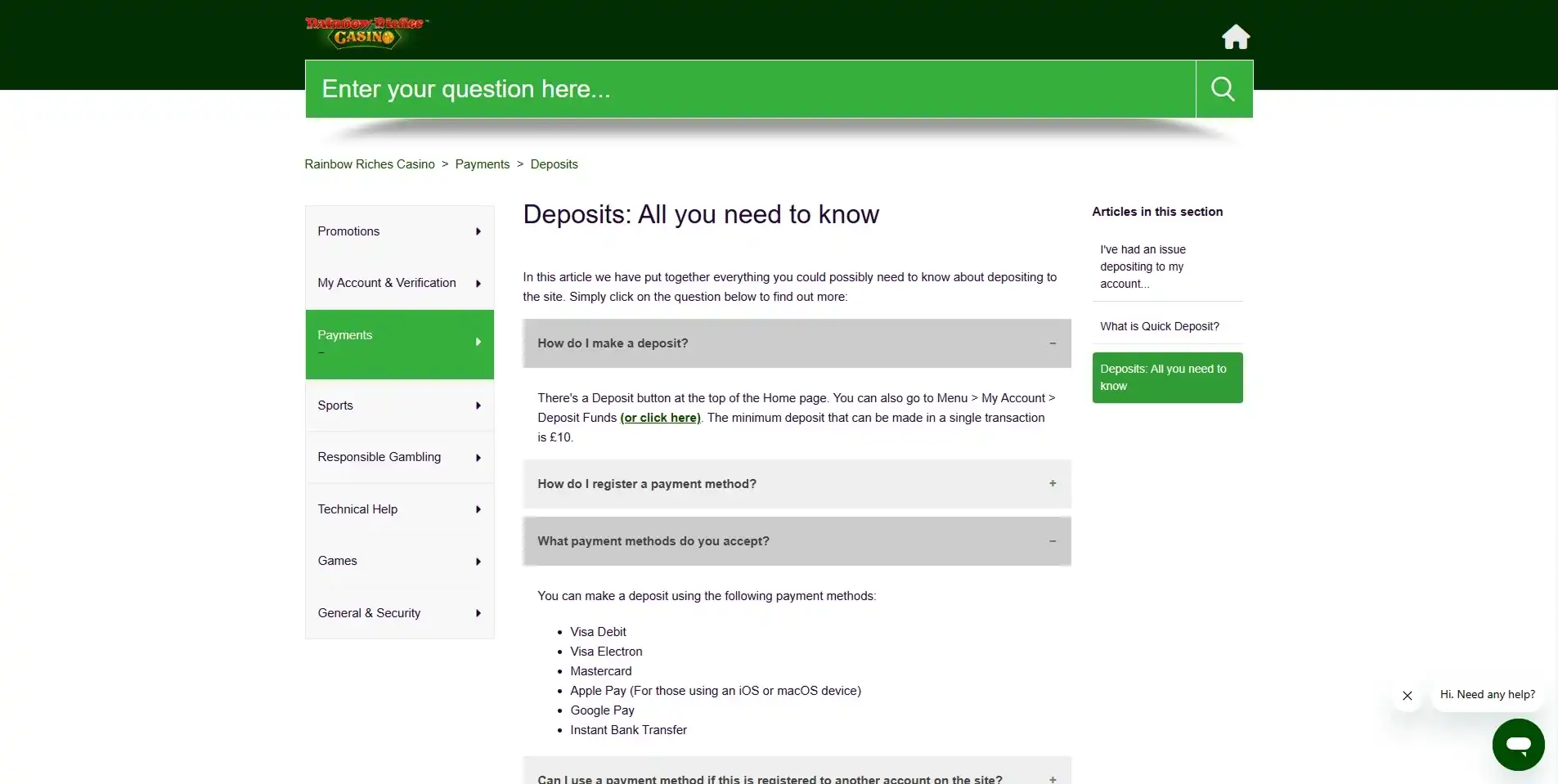
The practical rule is simple: confirm both that Visa is available for your deposit and that the specific bonus accepts it. A working payment route does not, by itself, establish eligibility for a promotion.
Visa and GamStop: A Payment Method Is Not a Safeguard
Visa acceptance tells you how a casino may take a payment; it does not tell you whether the site is connected to GamStop. A card logo cannot confirm a site’s self-exclusion arrangements, and searching for casinos described as “not on GamStop” does not make Visa a way around an exclusion you have chosen.
If you have self-excluded, do not use another site or payment route to continue gambling. Self-exclusion is meant to create distance from gambling, and looking for a site outside that arrangement can undermine the protection you put in place. If you are unsure what your exclusion covers, check with the scheme or the operator rather than testing access with a deposit.

For remote gambling operators serving Great Britain, UK Gambling Commission rules require new customers to be prompted to set a financial limit before their first deposit. Operators must also make account-level limit controls accessible. These controls can help you decide in advance what you can afford to spend; they are not a substitute for self-exclusion if you need to stop gambling.
A search for Visa casinos “without GamStop” should therefore not be treated as a payment-method comparison. Whether a cashier displays Visa has no bearing on the support or restrictions that apply to your account. Nor does a card payment make gambling safer or remove the need to use available controls.
If gambling is becoming difficult to manage, avoid opening another account or depositing to see whether a site accepts your card. Use the self-exclusion and limit tools available to you, and seek support if you need help maintaining a break. A payment method can move money; it cannot provide the safeguard that self-exclusion is designed to offer.
Why must withdrawals return to the deposit method?
Returning funds to the original payment source is a common anti-fraud and anti-money-laundering control. Using the same named account for deposits and withdrawals can also reduce avoidable ownership checks.
What is the fastest withdrawal method for UK casinos?
PayPal, open banking services and debit cards linked to fast payout systems are generally among the quickest options. The casino’s approval process and whether your account is verified also affect how quickly you receive the money.
Are Visa and Mastercard deposits definitely debit cards?
No. Visa and Mastercard are payment networks, and their logos do not tell you whether your card is debit or credit. Check with your issuer; UK-licensed casinos cannot accept credit-card payments for gambling.
Why can a fast payout casino still delay my withdrawal?
The casino must approve the withdrawal, and processing can take longer if your account is not fully verified. First withdrawals may also take longer while verification is completed.
Do UK casino withdrawals require verification?
Verification may be needed, particularly for a first withdrawal. If your account is not fully verified, the casino’s checks can delay payment.
Are fast casino withdrawals guaranteed?
No. Withdrawal speed depends on the casino’s internal approval process and whether your account is fully verified.
Which payment methods are accepted in Great Britain?
UK casinos commonly accept Visa and Mastercard debit cards; other options can include PayPal, open banking, bank transfer, Skrill, Neteller and Paysafecard for deposits. Some sites also offer Apple Pay or Jeton, and available methods vary, so check the cashier for your account.
Created by the ”Rainbow Riches Casino 5” editorial team.